5L Liquid Seaweed Fertiliser for Plant Growth
A 5L cold-pressed liquid seaweed made from sustainably sourced Ascophyllum nodosum. Applied regularly through the year, it helps stimulate active soil microbes and keep turf in excellent condition, and it can also be used as a tonic to revive turf after periods of stress. Because it directly benefits soil structure and stimulates the fungi and bacteria essential to soil health, seaweed is classed as a biostimulant.
Key Features
- Exclusive fresh cold-press manufacturing process extracts the maximum amount of bioactive compounds, such as auxin and vitamin B12, without the degradation normally caused by heat or chemical extraction
- Naturally low pH makes tank mixing easy
- High levels of plant essential compounds such as iodine
- Zero added NPK, giving managers maximum control over nutritional inputs
- Sustainably and responsibly sourced
- Produced without creating additional waste by-products
- Stimulates active soil microbes, benefits soil structure and encourages beneficial fungi and bacteria
- Acts as a tonic to reinvigorate turf after stress
How It Works
Seaweed Extraction
How seaweed is processed and extracted is critical to getting the most out of its plant-beneficial bioactive compounds. Each method produces an extract with different characteristics and concentrations of beneficial compounds and elements, and cold pressing gives the highest concentration of plant-beneficial bioactive compounds. The three methods of extraction compare as follows:
| Chemical | Heat | Cold Pressing |
|---|---|---|
| The use of acids and alkaline solvents | Boiling or microwave assisted | Immersion in cold water, combined with pressure |
With cold pressing the bioactive compounds are retained, whereas products extracted with heat or harsh chemicals (alkali or heat extracts) lose some of these beneficial properties. This seaweed is wet processed immediately at source using a proprietary fresh cold press method, with no heat or harsh chemicals. The process is specifically engineered to extract and preserve the bioactive components from inside the algae cells.
Appearance
The extract is light brown to green, has a pleasant smell and a natural pH range of 4 - 6, all of which reflect its quality and the proprietary cold pressed extraction. By contrast, dark, black-hued liquids that smell more like chemicals and have an unnaturally high pH, high potassium and high soluble solids point to alkaline extraction. Such products lack some beneficial substances, such as vitamin B12 (a source of cobalt), which is sensitive to alkaline conditions.
Natural Nutrition
The low macronutrient content is deliberate. The seaweed is formulated in its raw form with no added nutritional supplements, so it stands on its own merits as a superior extract. This gives managers the flexibility to control nutritional inputs and be confident about exactly which compounds are producing a visual effect.
Phytohormones and Phytohormone Analogues
Phytohormones, also called plant growth substances, are chemicals produced in plants that:
- Regulate essential cell processes
- Perceive and communicate the correct cell response to their microenvironment for repair, immunity and homeostasis (stable optimal function)
- Determine the formation of leaves, stems, roots, fruits and flowers
Components: Glycine betaine (Trimethylglycine), Cytokinin's, Abscisic acid (ABA), Gibberellic acids.
Biochemical Defence and Nutrition
Polysaccharides: seaweed extracts are rich in long sugar chains known as polysaccharides, and Ascophyllum nodosum contains a range of soluble polysaccharides found only in brown seaweed extracts. These provide energy, chelate nutrients and play a key role in plant defence. Research indicates that polysaccharides indirectly activate defence signalling pathways in the plant, leading to the production of antimicrobial plant proteins and enzymes that can stop pathogens gaining a foothold. Components: Alginates, Fucoidans/fucans, Laminarin.
Other Bioactive Compounds: alongside polysaccharides, seaweeds contain further compounds that support biochemical defence and nutrition. Components: Amino acids, Coblamine (Vitamin B12), Glycine betaine (Trimethylglycine), Iodine, Mannitol.
How to Use
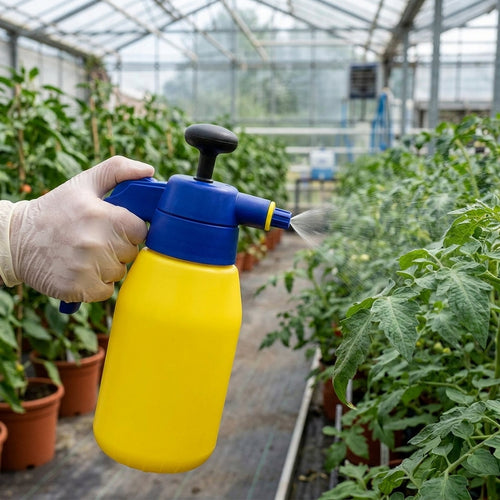
Use regularly throughout the year (every 4 - 6 weeks) to maintain turf condition. It can be applied to turf grass and plants every 2 - 4 weeks all year round, particularly in spring and summer, and works best as a foliar treatment.
| Application Type | Applicator | Application Rate | Water Volume (L/ha) | Pack Coverage (m²) |
|---|---|---|---|---|
| Remedial Application | Boom Sprayer | 20 L/ha | 300-400 | 5000-2500 |
| Remedial Application | Knapsack | 2 ml/m² | 300-400 | 5000-2500 |
| Maintenance Application | Boom Sprayer | 10 L/ha | 300-400 | 5000-2500 |
| Maintenance Application | Knapsack | 1 ml/m² | 300-400 | 5000-2500 |
When to Apply
Apply proactively ahead of periods of high disease pressure to prime the plant's defences. Avoid applying once a pathogen is established, so as not to stimulate the disease. Application window: January to December (all year).
Tank Mix Partners
- Soluble Fertilisers
- Liquid Fertilisers (the only exception being Liquid Iron)
Applications
- Turf grass, including golf greens and tees
- Plants
- Reinvigorating turf after periods of stress
Specifications
- Source: Sustainably sourced Ascophyllum nodosum seaweed
- Extraction: Proprietary fresh cold press, wet processed at source
- Category: Biostimulant
- Colour: Light brown to green
- pH: 4 - 6 (natural)
- Added NPK: Zero
- Volume: 5 litres